Land Preservation
The guiding principle of Steep Rock Association’s land preservation initiative is to protect property with high conservation and/or passive recreational value in both a local and regional context.
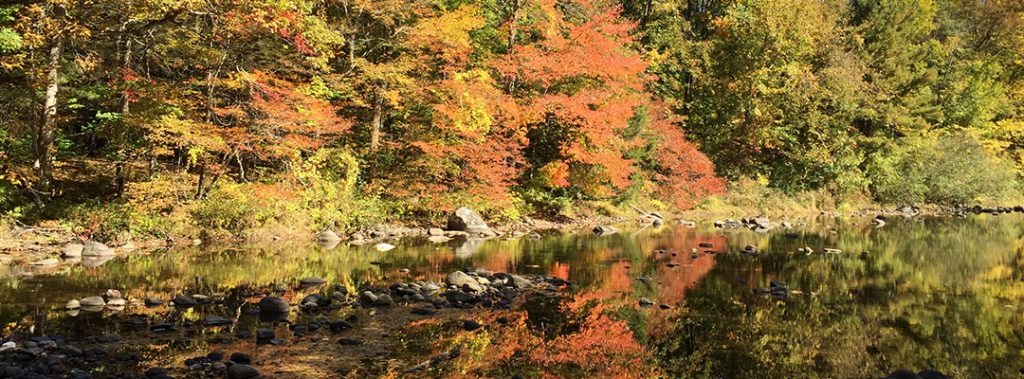
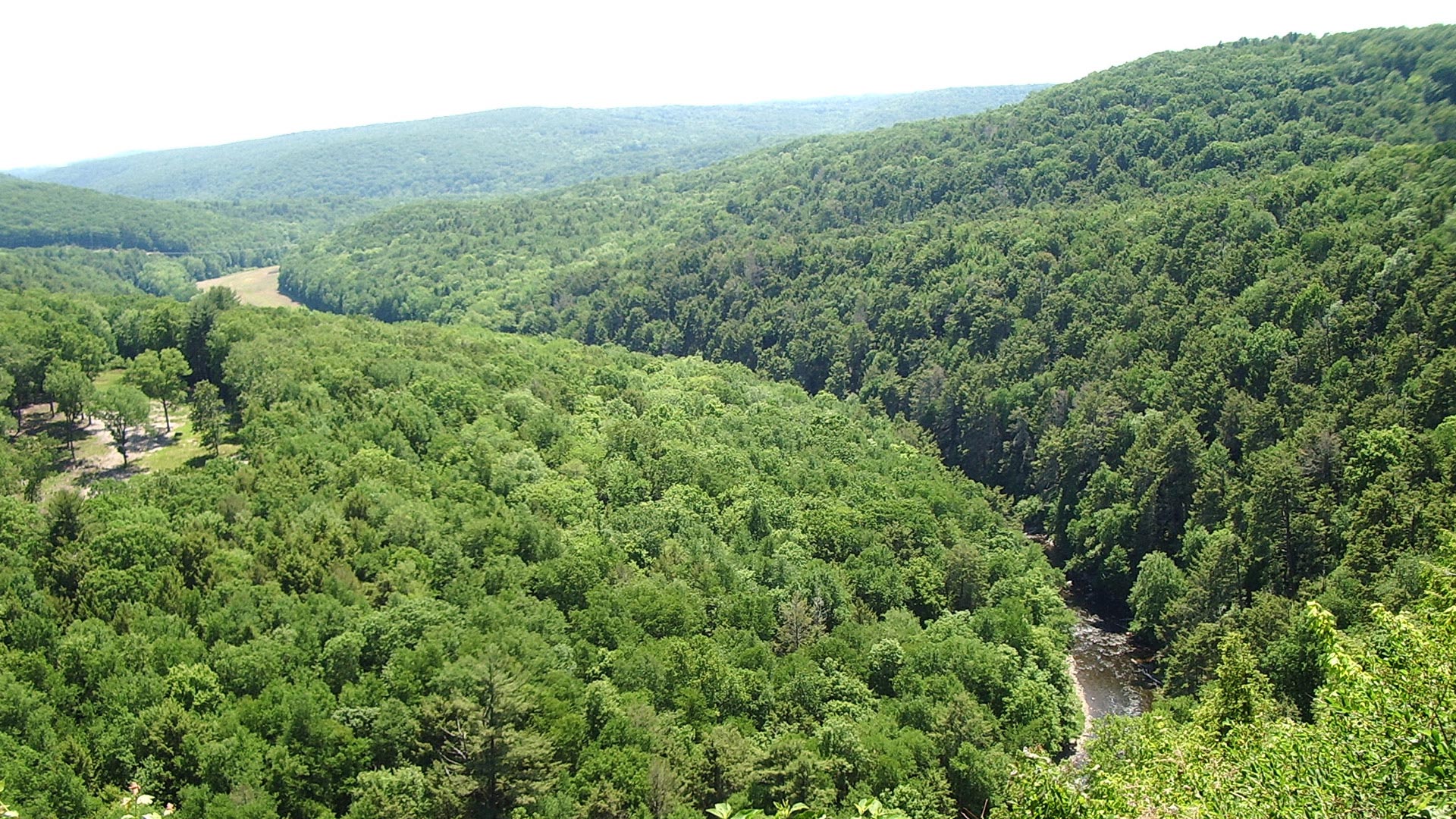
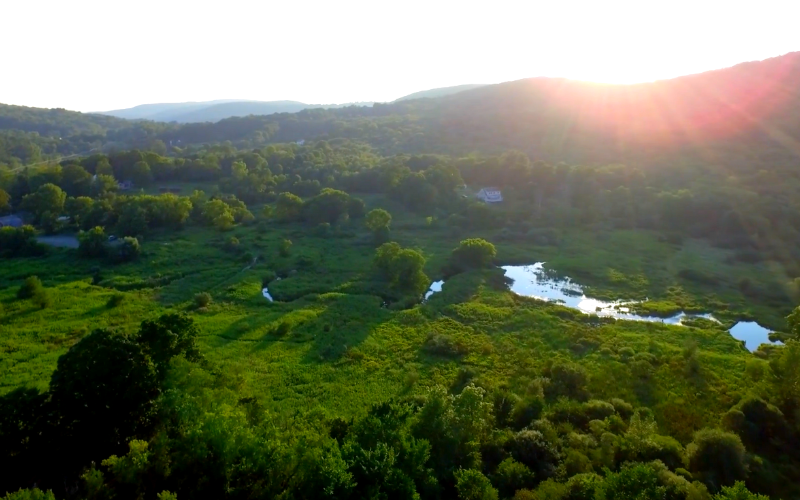
Our accomplishments contribute to both the Town of Washington and State of Connecticut’s goals of permanently protecting open space. Steep Rock currently manages over 5,500 acres, promoting healthy and functioning ecosystems, preserving working lands, protecting natural resources, and offering recreational opportunities.
Preservation Partnerships
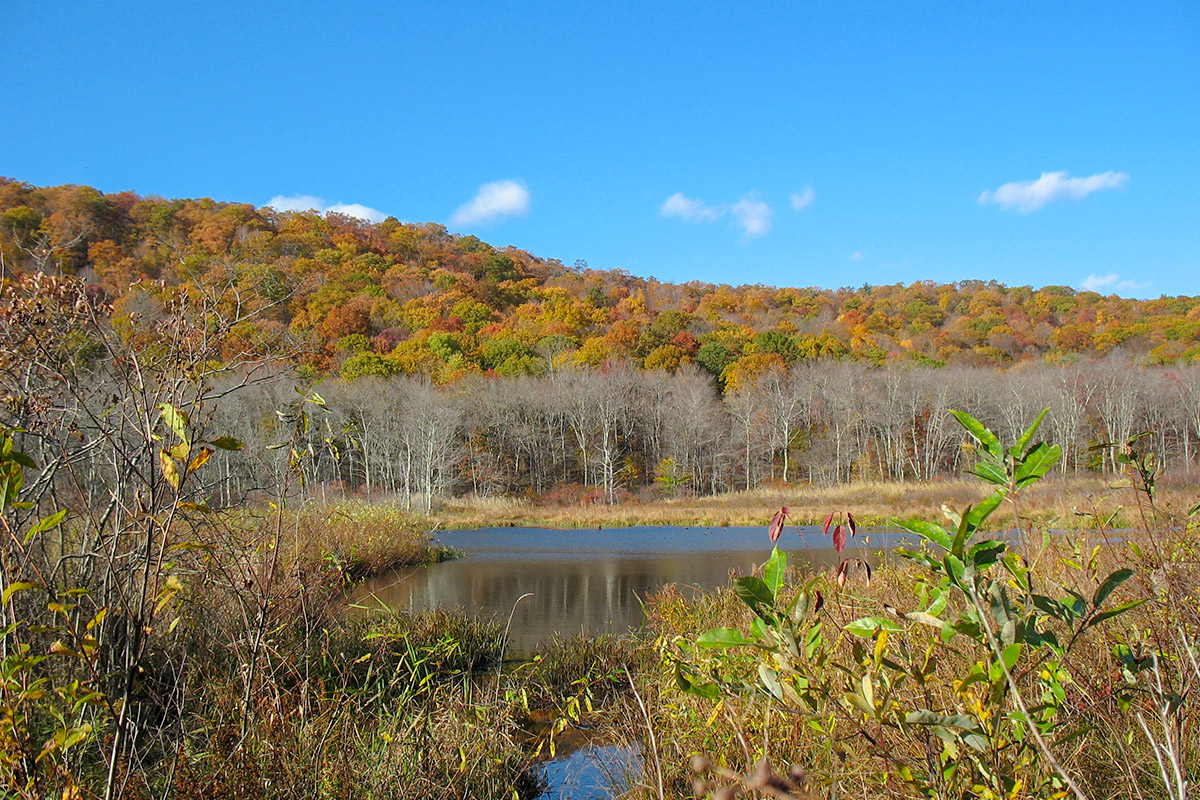
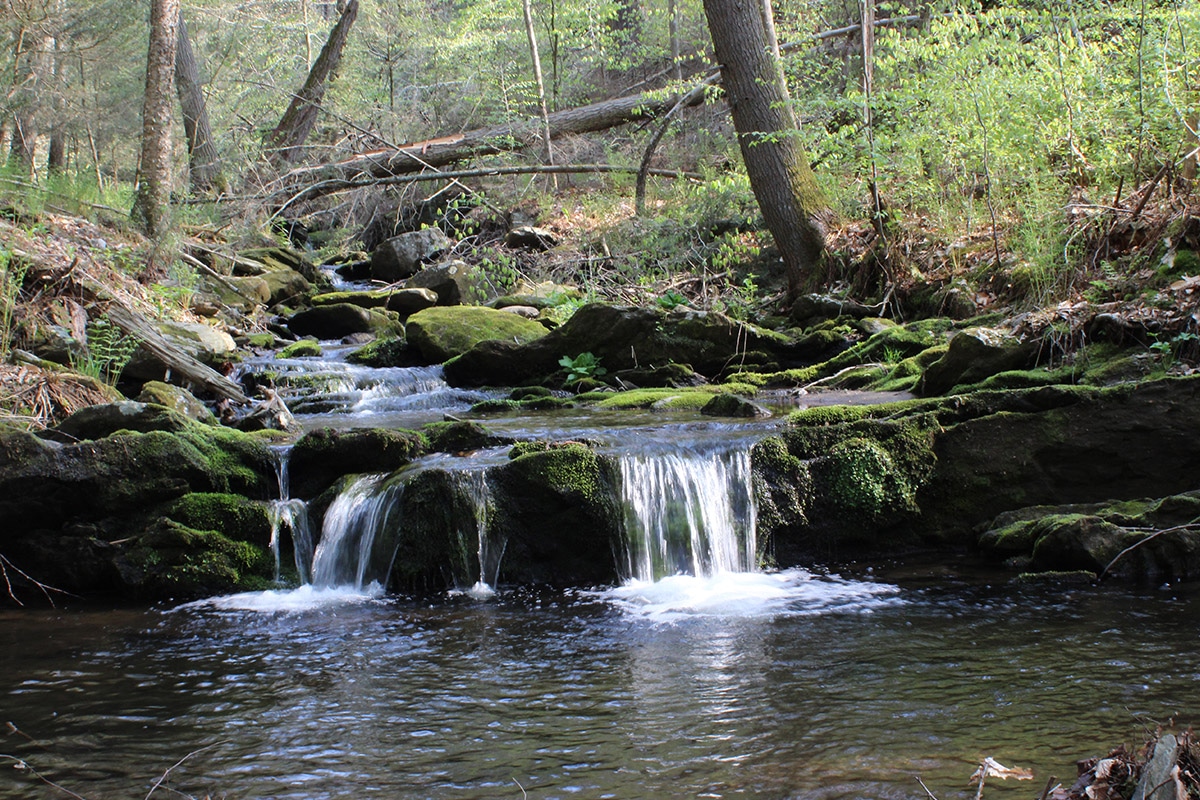
Steep Rock has a very successful track record of partnering with municipal, state, and federal agencies, local associations, and conservation-minded landowners to protect the most important land to wildlife and people alike.
If you are interested in conserving your property and supporting Steep Rock's mission, you have options and we would be pleased to begin a discussion.
Our land transactions encompass both fee-title acquisitions and conservation easement conveyances. Fee-title transactions entail the complete transfer of property ownership. Conservation easements, however, allow grantors to retain property ownership, but an agreement is executed that restricts certain uses to protect the land's conservation value.
Donate
Steep Rock accepts donations of fee-title and conservation easements. Donors are entitled to a charitable contribution for tax deduction purposes. For fee-title acquisitions, the amount is equal to the fair market value of the gifted land. For conservation easements, the amount is the difference between the fair market value before and after the easement.
Sell
Steep Rock pursues the purchase of property that holds exceptional value and meets several prioritized criteria. Purchases at fair market value are often dependent on our ability to obtain funding from multiple sources. Any purchase below fair market value constitutes a bargain sale, where the difference between the sale price and fair market value is considered a charitable contribution.
Landowner Testimonial
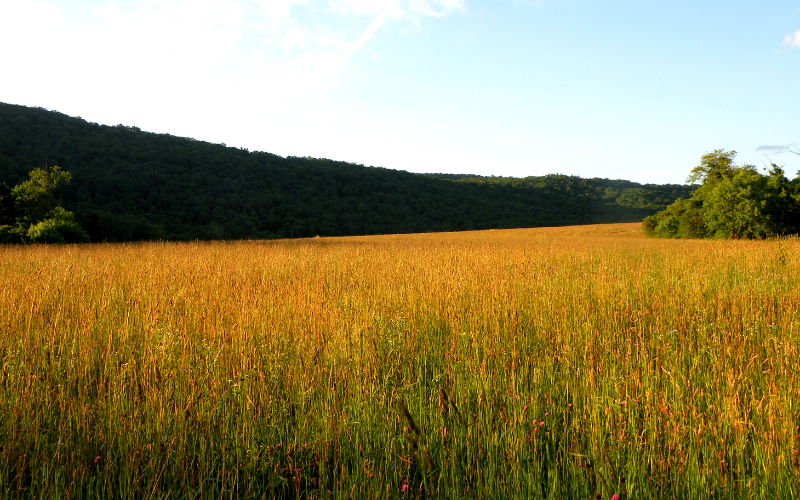
In 2019, Steep Rock Association acquired Johnson Farm. The preservation of this 52-acre tract atop West Mountain ensures the property will remain agricultural land, preserving the rich heritage of farming in Connecticut and enduring the Johnson Family's long history of its stewardship. Hear from Jack Johnson about what the land's protection and Steep Rock Association's role means to him.
Steep Rock Preserves
(860) 868-9131
available M-F | 8:00am - 4:00pm
Address:
PO. Box 279
Washington Depot,
Connecticut 06794
116 Christian Street
New Preston, CT 06777
Thank You for
Your Support
Make A Difference
Your donation today helps Steep Rock Association protect and steward special places for you to learn about nature and explore the great outdoors.